The first conversation identifies how over-plucked eyebrows appears in the patient’s photos, history, and goals.
Eyebrow restoration
Eyebrow transplant planning for shape, symmetry, density, and natural follicle direction.
Eyebrow restoration is detail-heavy. Small changes in angle, density, spacing, and shape can change the entire expression of the face.
The plan considers how thin brow density affects design, density, timing, and follow-up.
The recommendation stays conservative when natural brow angle changes what is realistic.
Eyebrow transplantation needs restraint and precision.
Patients may consider eyebrow transplantation after over-plucking, thinning, trauma, scars, or naturally sparse brows. The consultation focuses on design, donor hair suitability, maintenance needs, and realistic expectations.
Design considerations
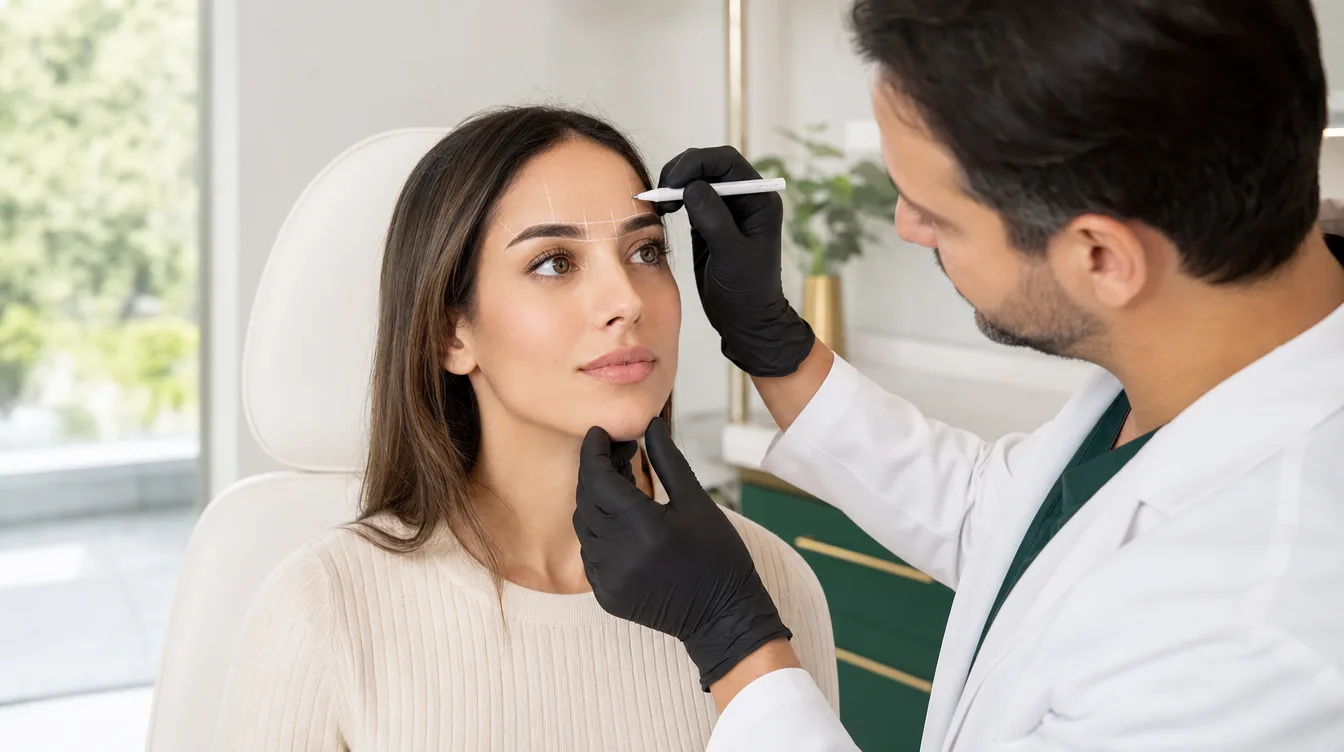
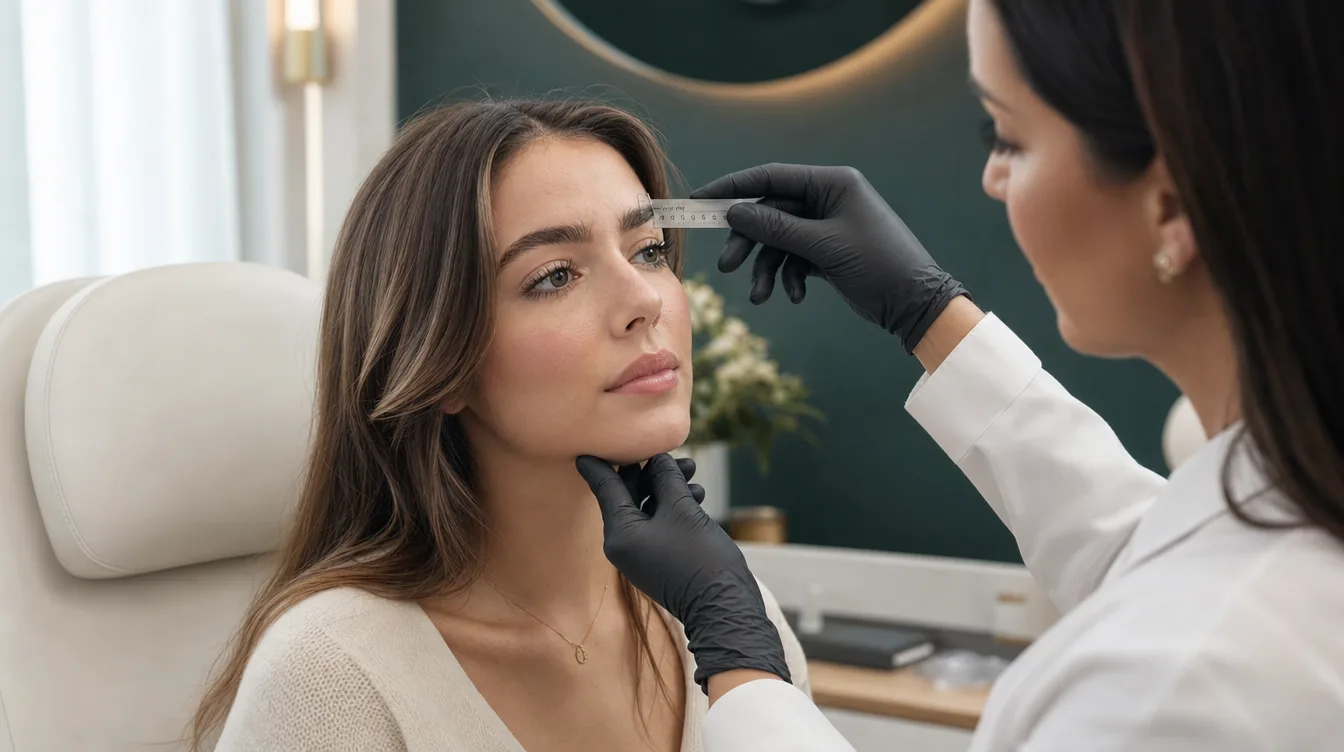
Brows frame the face, so shape and density must be planned carefully. The goal is not simply fuller brows; it is a shape that suits facial symmetry and looks believable.
Brow head, arch, and tail planning
Density gradient control
Facial symmetry review
Technical considerations
Eyebrow hairs sit at shallow angles and change direction across the brow. Placement needs careful control to reduce the risk of an unnatural pattern.
Low-angle placement
Direction changes across the brow
Fine density spacing
Candidacy and maintenance
Donor hair may grow differently from native eyebrow hair. Patients should understand trimming, grooming, healing, and result variability before deciding.
Donor hair suitability
Grooming expectations
Scar or trauma assessment
Next step
Plan a consultation around eyebrow transplant in Toronto and Montreal
Bring the details that matter for eyebrow transplant in Toronto and Montreal and the clinic can help decide whether the next step is diagnosis, treatment planning, support therapy, or observation.
Frequently asked questions about Eyebrow transplant
Clear answers for patients in Toronto, Montreal, and Quebec preparing a consultation about Eyebrow transplant with realistic expectations.
Who may be a good candidate for Eyebrow transplant?
This page is designed for patients who need refined eyebrow design rather than simple density. Candidacy depends on assessment, donor or scalp context, goals, and the realistic limits of treatment.
What factors should be reviewed before Eyebrow transplant?
The consultation should review over-plucking, thinning brows, scar gaps, follicle angle, and facial symmetry, medical history, treatments already tried, and pattern stability before recommending a path.
Is Eyebrow transplant available for patients in Toronto and Montreal?
Yes, patients can request a consultation pathway for Toronto and Montreal. The recommendation still depends on donor selection, angle control, symmetry, and realistic density, follow-up needs, and individual suitability.
Does Eyebrow transplant guarantee a specific result?
No. Results vary by candidacy, donor supply, skin quality, healing, technique, follow-up, and individual response.
Why does Eyebrow transplant require fine planning?
Eyebrows require careful angle, direction, density, and symmetry control. A cautious assessment helps avoid a design that is too dense or poorly matched to the face.
What should I prepare before discussing Eyebrow transplant?
Bring or upload recent photos in simple lighting, treatments already tried, relevant medications, healing history, and your priorities. These details help the consultation stay specific and useful.
Can Eyebrow transplant start with a virtual review?
A first virtual review can help orient the conversation for patients in Toronto, Montreal, or elsewhere in Quebec, but it may not replace an in-person assessment when density, donor area, or skin quality needs to be examined.
What should follow-up clarify after I ask about Eyebrow transplant?
Follow-up should clarify next steps, timing, limitations, possible care, cost factors, and any signs that call for a more detailed assessment. Specific outcomes should not be promised before the case is reviewed.